


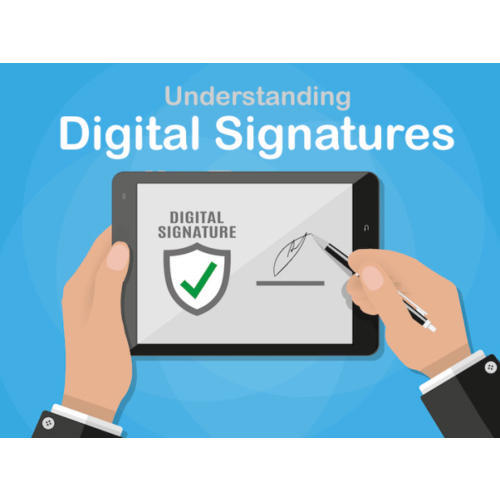
Instead of encrypting the entire file, the system creates a short code called a hash (or message digest) of the document. The sender then encrypts that hash with their private key. The receiver decrypts it using the public key; if the hash matches the document, the signature is valid. A trusted third party called a Certificate Authority (CA) often issues digital certificates to confirm who owns the keys
GET STARTED NOW

GET STARTED NOWProfessional Tax (PT) is a state-level direct tax levied on all individuals earning an income through employment, trade, or a profession. As an employer, you are legally responsible for deducting this tax from your employees' monthly salaries and remitting it to the state government. The maximum tax amount is constitutionally capped at ?2,500 per individual per year, and compliance requirements vary depending on the state of operation.
A Letter of Undertaking (LUT), filed via Form GST RFD-11, is a statutory declaration that allows registered Indian exporters and SEZ suppliers to ship goods or services overseas without paying upfront Integrated GST (IGST). By opting for an LUT, businesses can clear zero-rated export invoices directly without locking up critical working capital in tax payments and enduring lengthy government refund cycles. This online compliance requirement acts as an operational passport for freelancers, SaaS startups, and export houses targeting global markets.
GET STARTED NOW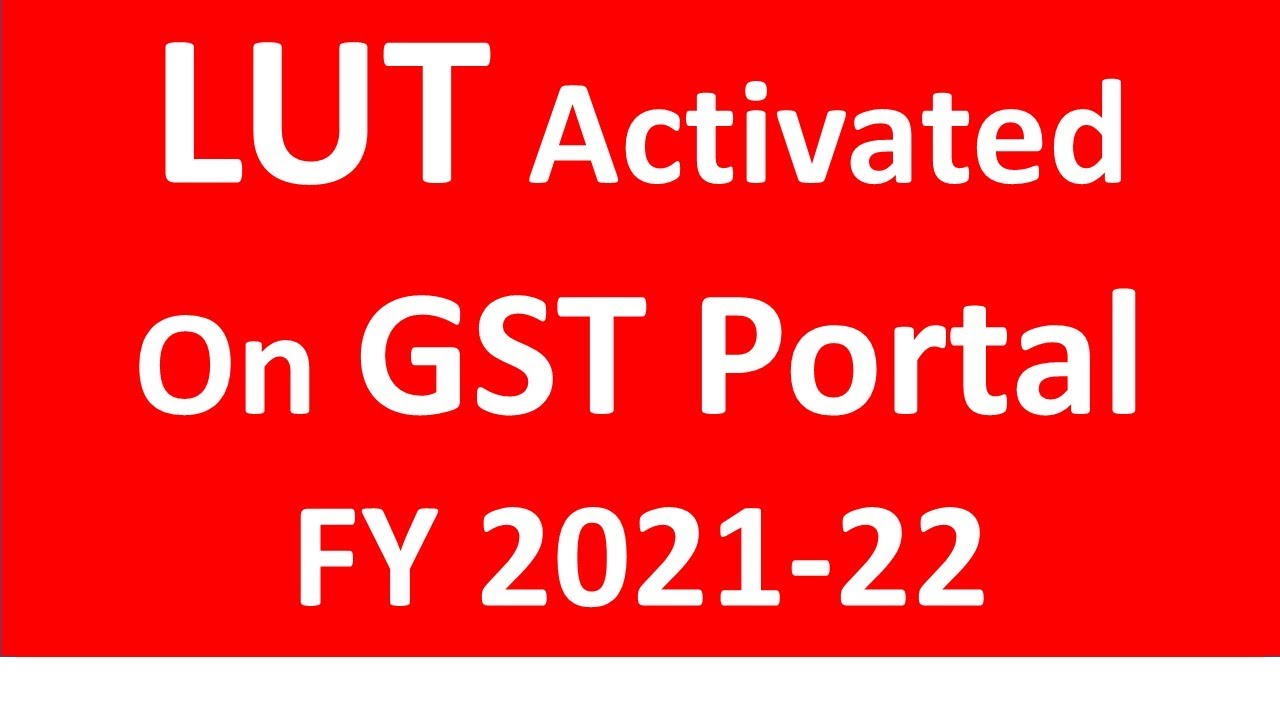
A Trust Audit is an independent, statutory verification of a charitable or religious trust's financial records to ensure complete transparency, regulatory compliance, and fiscal health. Under the Income Tax Act, 1961, trusts enjoying tax exemptions are legally required to get their books audited by a practicing Chartered Accountant if their total income exceeds the basic exemption limit. This audit verifies that donations and trust funds are being utilized strictly for the objectives outlined in the trust deed, ensuring the trust retains its highly valuable tax-exempt status.
GET STARTED NOW